

Valentine's Day is all about love and romance, but let's be honest, nothing tests a relationship quite like designing a kitchen together. Suddenly, the person you adore is suggesting lime green cabinets or refusing to consider your perfectly reasonable request for a second sink. Sound familiar? Don't worry, you're not alone. Here are the most common kitchen design disagreements couples have and how to find compromises that keep everyone happy (and still speaking to each other).
The disagreement: One of you has been saving Pinterest boards full of beautiful open shelving displays. The other is having nightmares about dust, visible clutter, and washing everything before you use it.
Why you're both right: Open shelving genuinely does make a space feel larger and more airy. But it's also true that it requires constant maintenance and everything on show needs to look good.
The compromise: Use open shelving in just one area – maybe flanking the range or on a single wall – while keeping the rest as cabinets. Or consider glass-fronted cabinets that give the display effect while keeping dust out. This way, you get the visual interest without committing your entire kitchen to open shelves that need maintaining.
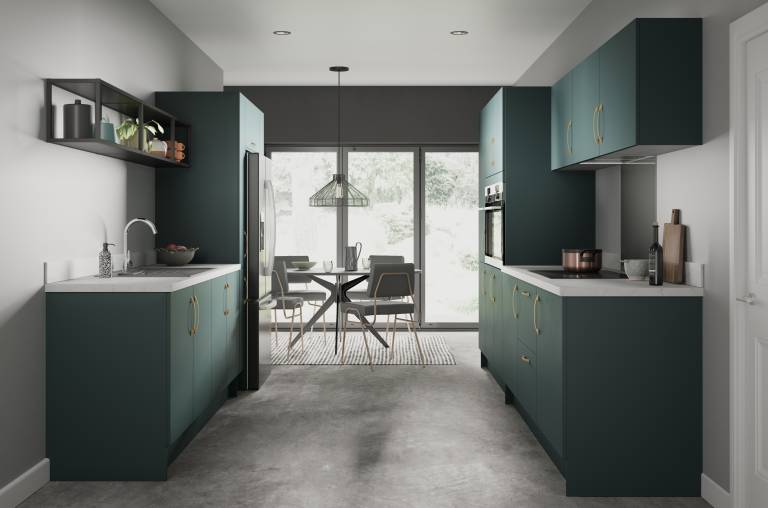
The disagreement: One of you grew up cooking on gas and can't imagine life without seeing the flame. The other is championing induction for its speed, safety, and easier cleaning.
Why you're both right: Gas does offer instant visual feedback and works with any pan. But induction is faster, more energy-efficient, safer (especially if you have kids), and those smooth surfaces are genuinely easier to clean.
The compromise: If you absolutely can't agree, consider a combination hob with both gas and induction zones. Or, if budget allows, look at a separate prep area with an induction hob for quick tasks, keeping gas for the main cooking zone. Alternatively, give induction a proper chance – many gas devotees are surprised by how quickly they adapt.
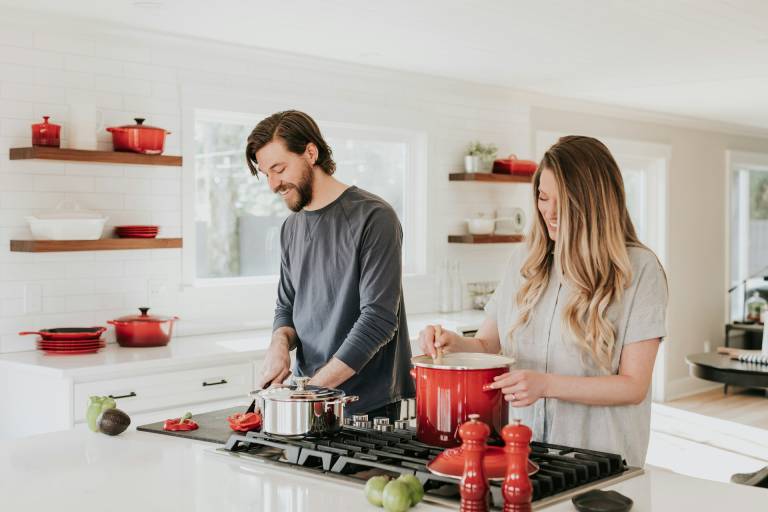
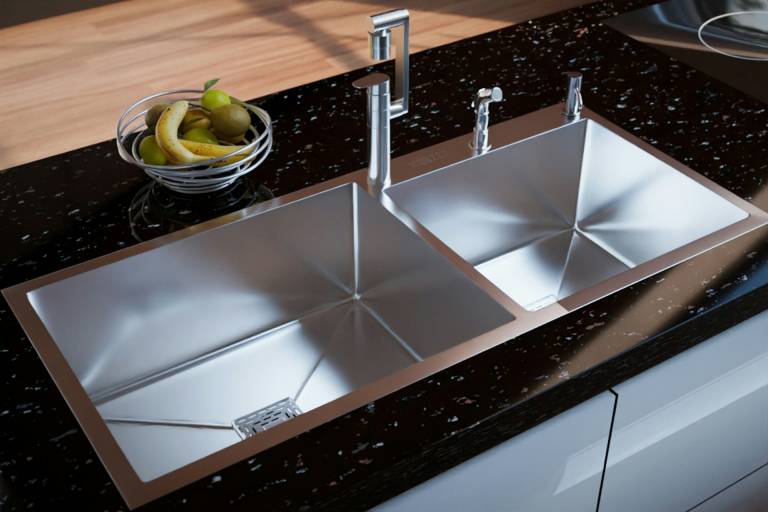
The disagreement: One of you wants a massive single bowl sink for washing big pots and baking trays. The other insists on a double bowl for multitasking – washing up in one side while prepping vegetables in the other.
Why you're both right: Single bowls are brilliant for soaking large items and look sleek. Double bowls do make multitasking easier and can be handy when you're cooking for a crowd.
The compromise: Consider a large single bowl with a separate smaller prep sink elsewhere in the kitchen. Or choose an offset double bowl design where one side is larger. You could also look at accessories like over-the-sink chopping boards or colanders that give you the versatility of a double bowl in a single basin.
The disagreement: One of you dreams of a bright, airy white kitchen. The other wants dark, dramatic cabinets that make a statement.
Why you're both right: White kitchens do feel spacious and timeless. Dark cabinets bring warmth and sophistication while hiding everyday marks better.
The compromise: Two-tone kitchens are genuinely popular for good reason. Consider white or light upper cabinets (keeping the space feeling open) with dark lower cabinets or a dark island (adding that drama and practicality). This gives you the best of both worlds and creates visual interest.
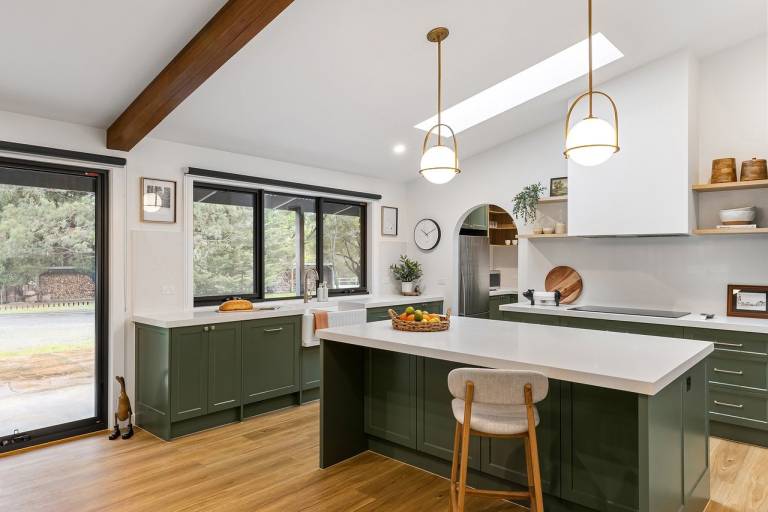
The disagreement: One of you wants to splash out on that professional-grade range and fancy tap. The other is having palpitations about the cost and wants to keep things sensible.
Why you're both right: Quality appliances and fixtures do make a difference and can last decades. But it's also important not to overstretch financially or overspend for your area.
The compromise: Prioritise together. Maybe you invest in that amazing tap but choose a mid-range oven. Or spend more on cabinets (which you'll interact with constantly) but save on decorative elements. Create a list of must-haves versus nice-to-haves, and be prepared to compromise on the second list.
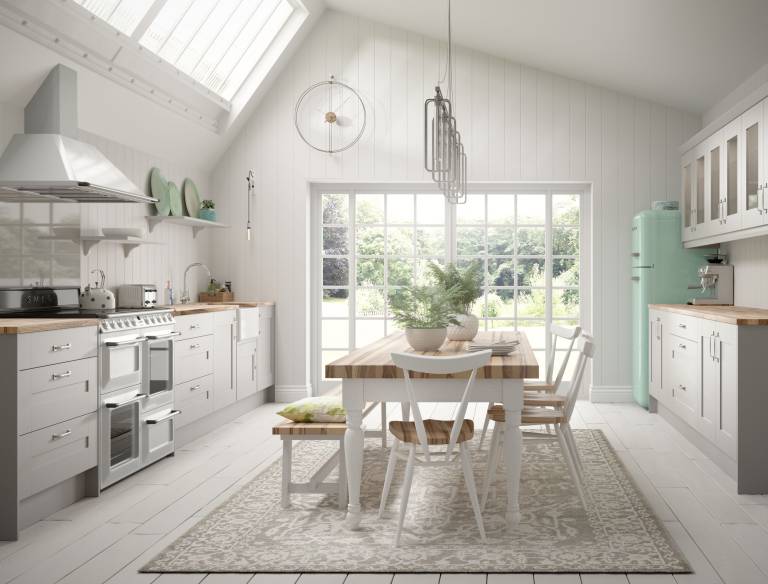
The disagreement: One of you wants clear worktops with everything hidden away. The other likes having frequently-used items out and accessible – toaster, kettle, coffee machine, utensils, the lot.
Why you're both right: Clear worktops do look cleaner and give you more prep space. But having things to hand is genuinely more practical for daily use.
The compromise: Design an appliance garage or a dedicated "coffee station" area where everyday items live but can be tucked away when you want a clearer look. Or designate one section of worktop as the "working zone" where things can stay out, keeping the rest clear. Good storage planning means you can have accessibility without visible chaos.
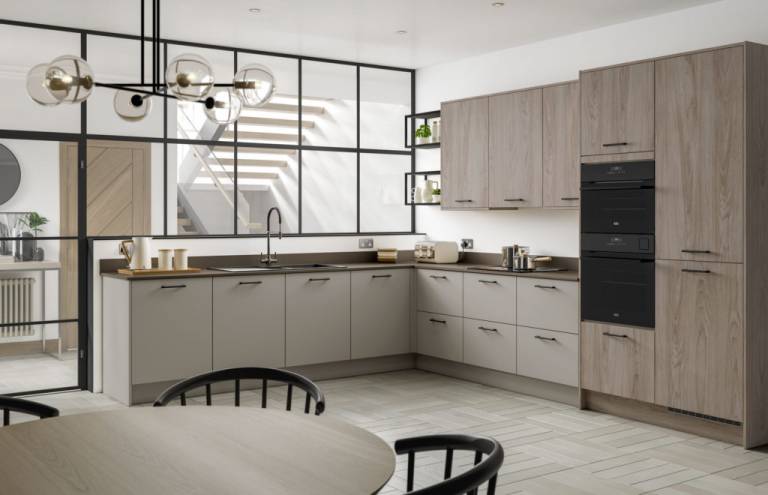
Here's the thing about kitchen disagreements: they're actually healthy. They mean you're both invested in creating a space you'll love. The key is remembering you're on the same team. You both want a kitchen that works well and looks great; you're just approaching it from different angles.
When you hit a sticking point, try visiting showrooms together. Seeing and touching real kitchens often helps clarify what you both actually want. And remember, a good kitchen designer (hello!) has seen every disagreement under the sun and can help mediate and find solutions you might not have considered.
After all, the kitchen you're designing together is where you'll make memories for years to come. A bit of compromise now means a space you'll both genuinely love, and that's the real happy ending.
__________________________________________________

As a kitchen designer, I love creating a stunning space where life is easy and memories are made! If your kitchen needs upgrading, modernising or a complete renovation, let’s have a conversation and see what you could do with your space.
A new kitchen with a specialist design is more cost-effective than you may think – just get in touch with us today for a free in-store kitchen design consultation and we’ll show you how.
Emma Reed – Kitchen designer – 01792 712000



© 2026 Kitchens by Emma Reed Limited. Company number: 11451277. Registered office address: 1-2 Valley Way, Llansamlet, Swansea, United Kingdom, SA6 8QP.
Web Design by Pedwar


