

After years of designing kitchens, I've seen the same costly mistakes crop up time and time again. The frustrating part? Most of them are completely avoidable with proper planning and professional guidance. These aren't small errors you can easily fix; they're expensive problems that require tearing things out and starting again. Let me walk you through the biggest design mistakes I see and, more importantly, how to avoid them.
The kitchen work triangle – the relationship between your sink, hob, and fridge – is one of the most fundamental design principles, yet it's surprising how often it goes wrong. I've seen kitchens where the fridge is on the opposite side of the room from the prep area, or where the sink and hob are so far apart you're constantly walking back and forth.
Why this costs you: A poorly planned work triangle doesn't just waste your time and energy. If you need to fix it later, you're looking at moving plumbing, gas lines, or electrical points. That's easily £2,000-£5,000 in additional work, plus the cost of new worktops that require different cuts.
The designer solution: When I measure your space, I'm not just writing down dimensions. I'm thinking about how you'll move through the kitchen, where the logical flow should be, and how to position the three key points so they work together efficiently. The ideal triangle has each side between 1.2 and 2.7 metres. Too close and you feel cramped; too far and you're constantly walking.
I also consider what's between these points. There's no point having a perfect triangle if there's a kitchen table in the middle of it. This is where professional design makes a real difference – we see these issues before they become expensive problems.
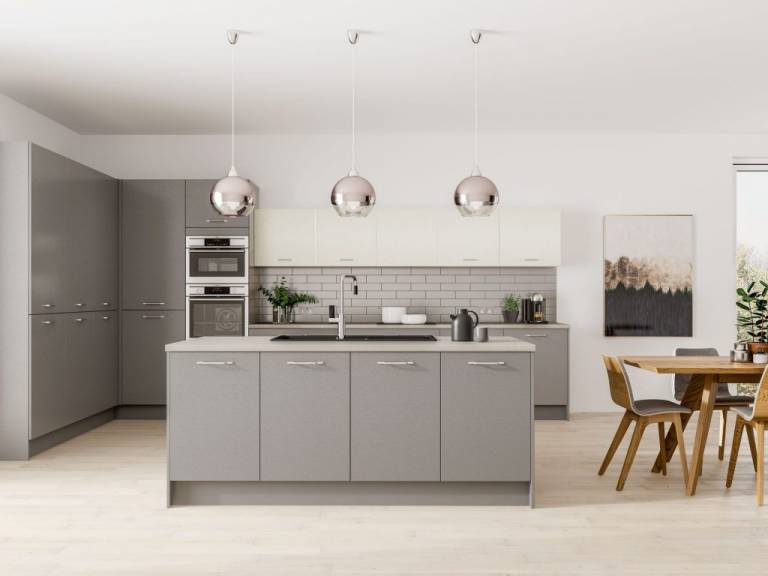
This is the mistake I see most often, and it's heartbreaking because it's so easily avoided. People focus on how their kitchen looks and forget to really think about what they need to store. Then six months after installation, they're frustrated because they've got nowhere for their baking tins, small appliances are cluttering the worktops, and they're still using that cupboard under the stairs or the garage for overflow.
Why this costs you: Adding storage after the fact is expensive and disruptive. You might need to tear out perfectly good cabinets to install taller units, add a pantry where one wasn't planned, or even extend into adjacent spaces. I've seen homeowners spend £8,000-£15,000 adding storage they should have had from the start.
The designer solution: When we meet, I'll ask you to show me everything you currently store in your kitchen – and I mean everything. Your pots, pans, small appliances, baking equipment, food storage, cleaning supplies, the lot. Then I'll design storage specifically for how you actually cook and live.
Do you bake regularly? You need a place for your mixer that's accessible without taking up worktop space. Big family who buys in bulk? A proper larder unit is worth every penny. Love cooking but hate clutter? We'll design an appliance garage or clever pocket doors.
This detailed planning is one of the biggest perks of working with a kitchen designer. I've got years of experience seeing what works and what doesn't. I know which storage solutions genuinely get used and which ones look good in showrooms but fail in real kitchens.
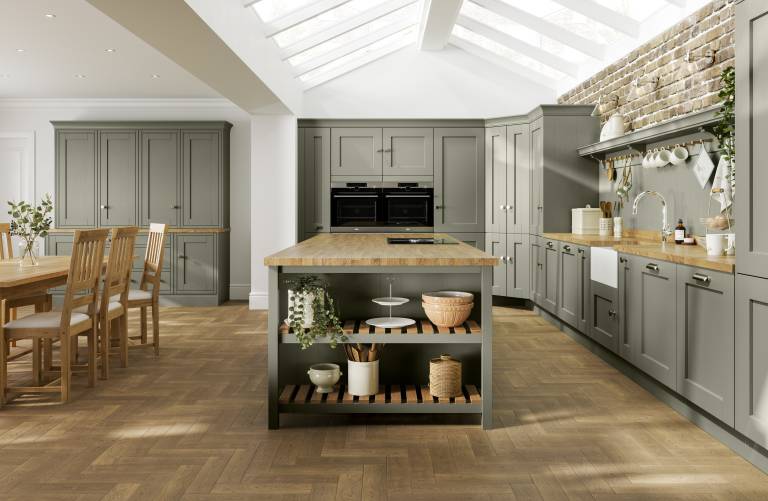
I can't tell you how many times I've walked into a kitchen with one central ceiling light and nothing else. Or worse, plenty of light above the cabinets (great for highlighting dust) but none where you actually need it: over the worktops, sink, and hob.
Why this costs you: Retrofitting lighting after your kitchen is installed means getting electricians back in, potentially damaging newly tiled walls or ceilings, and running cables through finished spaces. If you need to add under-cabinet lighting after the fact, you're looking at £500-£1,500, depending on your kitchen size. Recessed spotlights? Add another £1,000-£2,000.
The designer solution: I design lighting in layers from the start. You need ambient lighting (your general ceiling lights), task lighting (under cabinets, over the island, above the hob), and accent lighting (inside glass cabinets, plinth lights for ambience).
During our planning, I'll map out exactly where each light needs to go based on your layout. Where are your main work zones? Where might you need extra light for reading recipes or helping kids with homework on the island? Getting this right means coordinating with your electrician before any tiling or finishing happens.
This is another area where my experience shows its value. I know that under-cabinet lights need to be positioned at the front of the cabinet to avoid shadows. I know you'll want lighting inside your pantry so you can actually see what's in there. These small details make an enormous difference to how your kitchen functions.
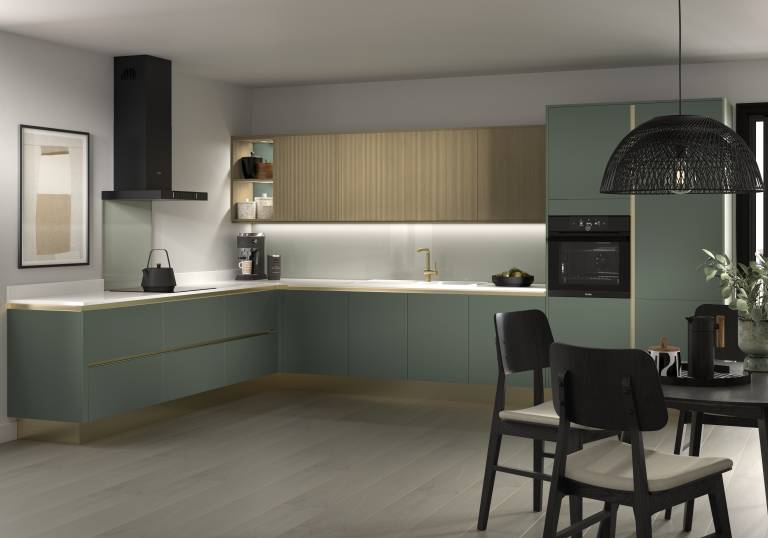
This one breaks my heart because it affects your daily use so much. I'm talking about hobs with nowhere to put a hot pan when you take it off the heat. Sinks with no draining space on either side. Fridges that open with nowhere to set down what you've just pulled out. Ovens with no nearby surface for hot trays.
Why this costs you: Fixing worktop layouts means replacing the worktops entirely, plus potentially moving appliances, which affects plumbing and electrics. You're easily looking at £3,000-£6,000 for new worktops alone, plus installation and the associated trades.
The designer solution: When I'm designing your kitchen, I'm constantly thinking about landing space. You need at least 30cm of worktop next to your hob on both sides. Your sink needs at least 60cm of draining space (ideally on both sides if you hand-wash). Your fridge needs 40cm of space on the opening side for setting items down.
I also think about corners. That beautiful corner worktop might look great, but is it actually usable space, or will it just collect clutter? Sometimes an L-shaped layout wastes less space than you think.
This is where measuring your actual space properly makes all the difference. I'll come to your home and measure everything myself because I need to see the room, understand the light, and spot any quirks in the walls or floor. Those site visits aren't just about numbers; they're about understanding your space well enough to design something that genuinely works.
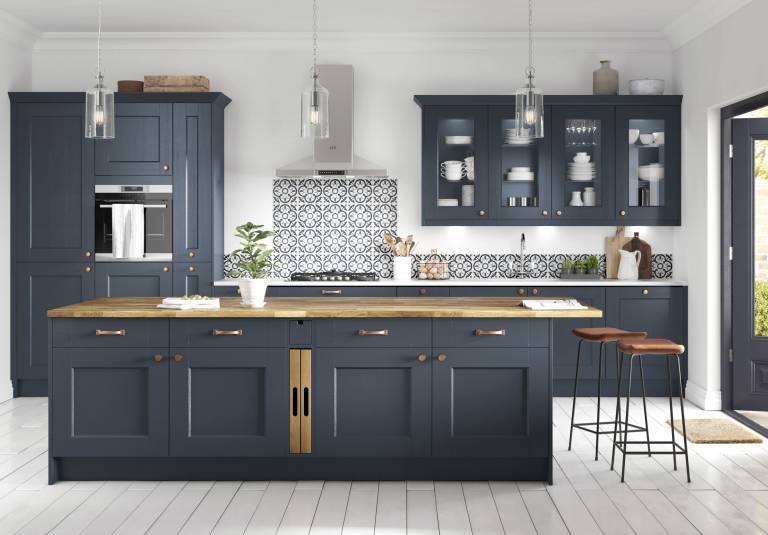
This is the one that often comes from Pinterest inspiration without professional guidance. That massive island looks stunning online, but it makes your kitchen so cramped you can barely open the oven door. Those handleless cabinets are sleek, but you've got young children who'll leave fingerprints everywhere. That undermount sink is beautiful, but you've chosen a worktop material that doesn't support that installation method properly.
Why this costs you: If your kitchen doesn't function well, you'll eventually need to change it. Maybe you'll need to remove that too-large island and install a smaller one. Perhaps those beautiful but impractical choices need replacing. These changes can easily cost £5,000-£15,000, depending on what needs redoing.
The designer solution: My job is to help you find the sweet spot between style and function. I'll never tell you that you can't have something beautiful, but I will make sure it works for how you actually live.
When you show me your Pinterest board of inspiration, I'm looking for what draws you in. Is it the colour? The layout? A specific feature? Then I'm thinking about how to achieve that feeling in a way that suits your space and lifestyle.
If you've got your heart set on something that I think might not work well for you, I'll explain why and offer alternatives. For example, if you love the look of open shelving but you're not naturally tidy, maybe glass-fronted cabinets give you that display element while keeping dust out. Or if you want a huge island but space is tight, perhaps a moveable worktable gives you extra prep space when you need it without permanently cramping the kitchen.
This balance of aesthetics and practicality is what years of experience teaches you. I've designed hundreds of kitchens, and I've seen what works beautifully in real life versus what only works in photos.
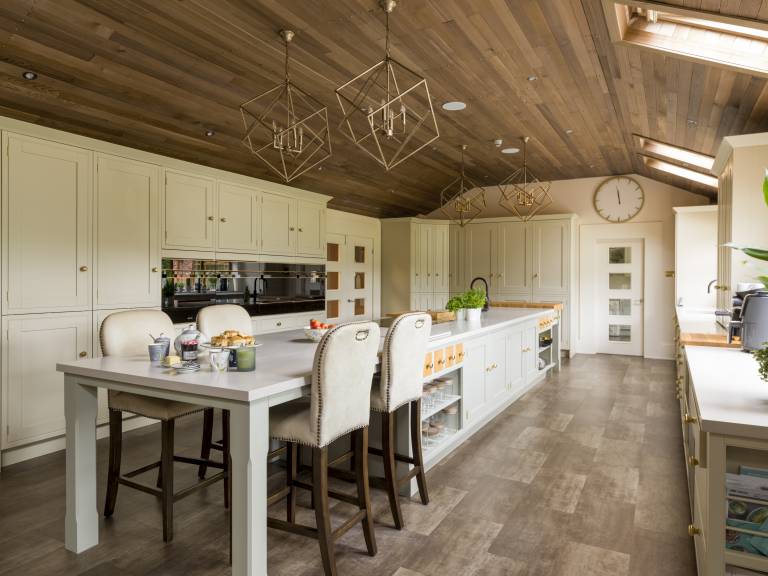
The cost of getting it wrong far outweighs the cost of getting it right the first time. Every mistake I've mentioned above requires expensive remedial work, and that's not even counting the frustration of living with a kitchen that doesn't work properly while you save up to fix it.
When you work with a professional designer, you're benefiting from:
I don't know about you, but that's priceless.
Not only that, but I've lost count of the number of times I've saved clients thousands by catching an issue at the design stage. Maybe it's spotting that the extractor hood they wanted won't meet building regulations, or realising that their "perfect" layout would put a join in the worktop right where they'd be rolling out pastry.
The kitchens I'm most proud of aren't necessarily the biggest or most expensive ones. They're the ones where clients come back to me years later and say their kitchen still works perfectly for them. That's what good design does: it creates a space that functions beautifully day after day, year after year.
If you're planning a kitchen renovation, let's look at your space together, discuss how you live and cook, and create something that's both beautiful and genuinely functional.
Your kitchen is probably the most-used room in your home. You deserve one that works properly, and that starts with proper design.
_______________________________________________

As a kitchen designer, I love creating a stunning space where life is easy and memories are made! If your kitchen needs upgrading, modernising or a complete renovation, let’s have a conversation and see what you could do with your space.
A new kitchen with a specialist design is more cost-effective than you may think – just get in touch with us today for a free in-store kitchen design consultation and we’ll show you how.
Emma Reed – Kitchen designer – 01792 712000



© 2026 Kitchens by Emma Reed Limited. Company number: 11451277. Registered office address: 1-2 Valley Way, Llansamlet, Swansea, United Kingdom, SA6 8QP.
Web Design by Pedwar


